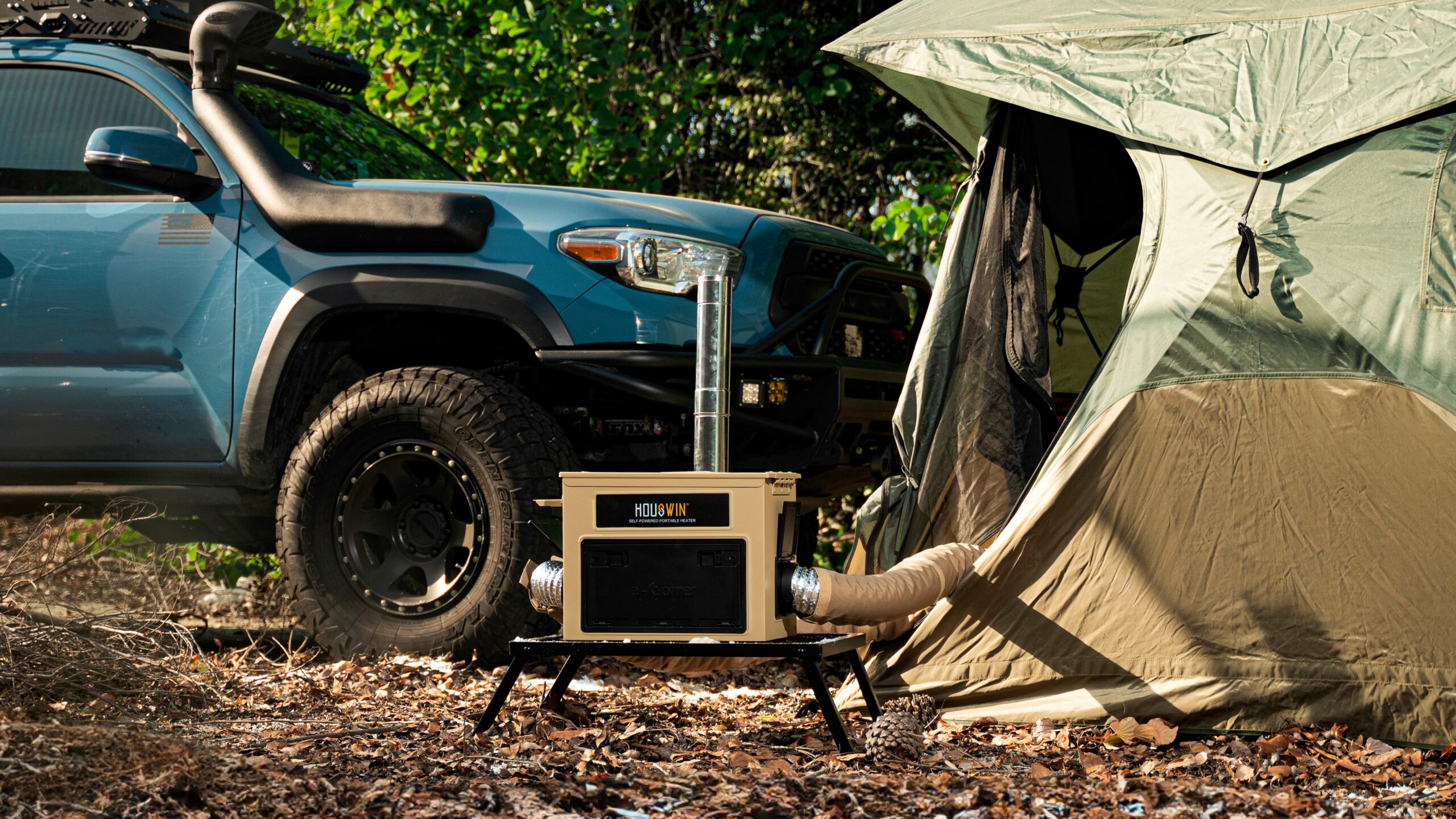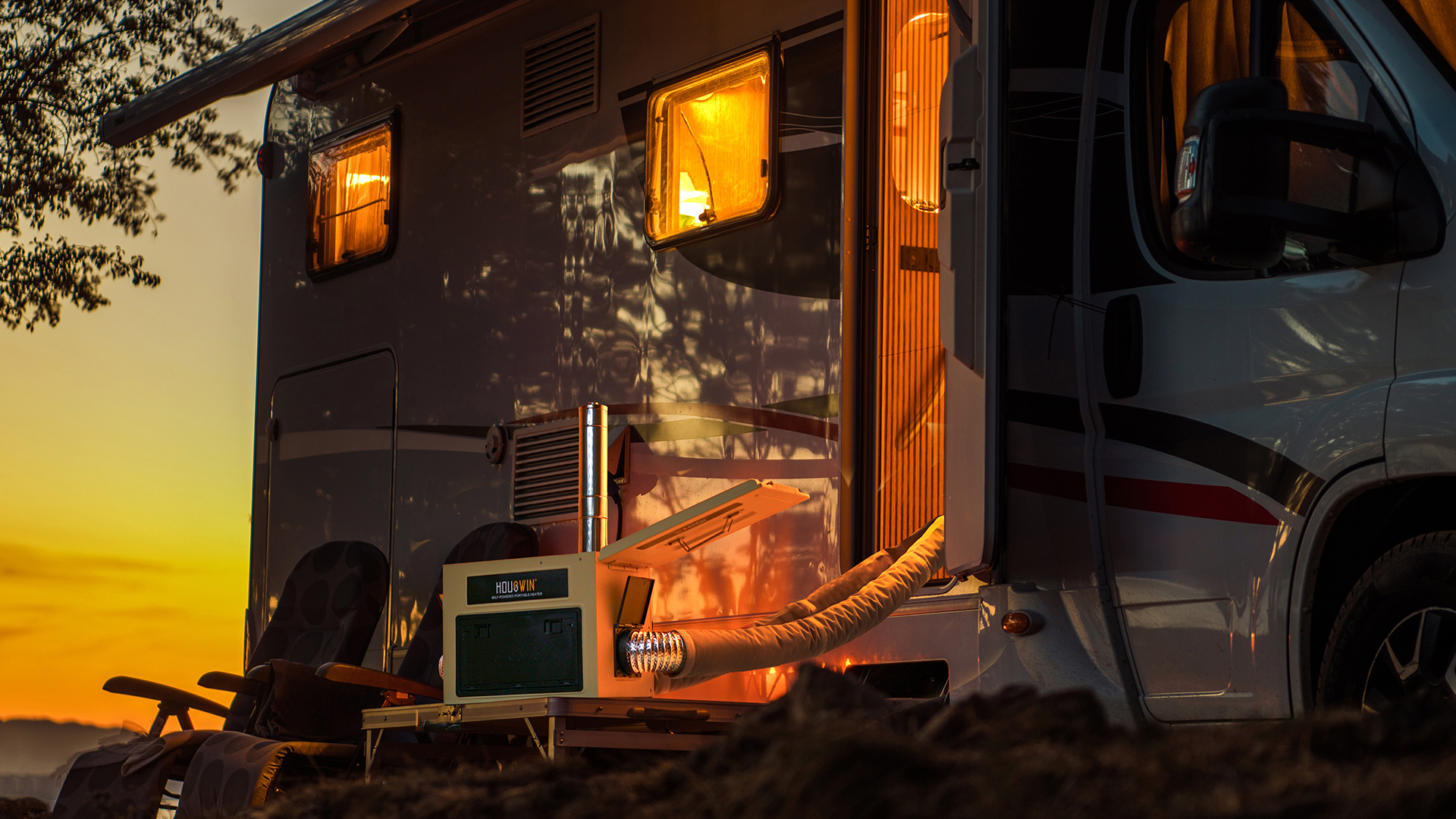
Questions About Houswin? Start Here.
Get clear answers about self-powered heating, startup power, fuel use, cold-weather operation, safety, ownership, and more.
Whether you’re deciding if Houswin is right for you or already own a heater, this is a good place to start.
Find the Answer You Need.
You shouldn’t have to dig through a manual to answer a simple question. We’ve organized the most common Houswin questions by topic so you can quickly find what you’re looking for.
Self-Powered Heating
Learn what self-powered heating means, how Houswin generates operating power, and why it’s different from a traditional diesel heater.
Startup & Electrical Power
Understand how the heater starts, when electrical power is needed, and what happens once the heater is running.
Heat, Fuel & Runtime
Find answers about heat output, diesel fuel consumption, tank capacity, runtime, and operating noise.
Cold Weather & Off-Grid Use
Learn how Houswin fits into winter camping, overlanding, remote locations, and emergency preparedness.
Safety & Operation
Find important information about ventilation, exhaust, extended operation, and basic maintenance.
Buying & Ownership
Get answers about choosing a Houswin heater, product support, Owner Manuals, warranty information, and returns.
Common Questions. Clear Answers.
Houswin is different from a traditional portable diesel heater, so it's natural to have questions. Below you'll find straightforward answers about how the system works, what you need to operate it, and what to expect when you take it off-grid.
Self-Powered Heating FAQs
What makes Houswin different from a traditional diesel heater?
The biggest difference is what happens after the heater starts. Most diesel heaters depend on an external 12V power source to keep operating. That can mean a vehicle battery, portable power station, battery bank, or another source of electricity. Houswin is designed differently.
After startup, the heater’s built-in power generation system uses heat from the heater to generate electricity. That electricity supplies the power needed to keep the heater operating and recharge its internal battery pack. That means you don’t have to stay connected to a vehicle, power station, generator, or electrical hookup during normal operation.
It’s more than portable heat. It’s heat designed to operate independently when you’re away from reliable electrical power.
Is the Houswin heater really self-powered?
Yes. Once the heater reaches normal operating conditions, its built-in power generation system supplies the electricity needed to keep the heater operating. The heater still needs electrical power during startup. That’s because the glow plug and other components need electricity before the heater is producing enough heat to generate its own power. Once the heater is running normally, the built-in generation system takes over and also recharges the internal battery pack.
Think of it this way:
Power starts the heater. Heat helps keep it powered.
That’s what makes Houswin different from diesel heaters that must remain connected to an external power source.
What does "self-powered heating" mean?
Self-powered heating means the heater can generate the electrical power it needs to continue operating after startup.
A traditional diesel heater produces heat but still depends on an outside source of electricity to operate its controls, fan, fuel system, and other electrical components. Houswin combines heating with built-in electrical power generation.
Once operating, heat from the heater is used to generate electricity. That electricity helps power the heater and recharge its internal battery pack. The result is less dependence on vehicle batteries, portable power stations, generators, solar systems, or electrical hookups.
What is a thermoelectric generator?
A thermoelectric generator, or TEG, is a device that converts a temperature difference into electricity. In simple terms, one side of the system gets hot while the other remains cooler. That temperature difference can be used to generate electrical power.
Houswin uses this principle to help turn heat produced during operation into usable electricity. Once the heater is operating normally, the built-in power generation system supplies operating power and recharges the internal battery pack. You don’t have to understand the science behind it to use the heater. The important part is what the system does for you: it reduces the need to carry and manage an external electrical power source just to stay warm.
What problem does a self-powered heater solve?
Portable diesel heaters solve the problem of creating heat, but most still leave you with another problem: finding enough electrical power to keep them running. That can mean monitoring a battery, carrying a larger power station, connecting to a vehicle, or planning how you’ll recharge everything during a longer trip.
Houswin is designed to reduce that dependency. Once operating, it generates the electrical power needed to keep the heater running and recharge its internal battery pack. For someone camping, overlanding, hunting, working remotely, staying at an off-grid cabin, or preparing for an outage, that means one less power system to worry about.
Less time managing power. More confidence in your heat.
Startup & Electrical Power FAQs
If Houswin powers itself, how does the heater start?
The heater needs electrical power during startup. Before the heater is hot enough to generate electricity, power is needed for the glow plug and startup sequence. Depending on the model and configuration, startup power can come from the heater’s internal rechargeable 26650 lithium-ion batteries or an appropriate external 12V power source. After the heater starts and reaches normal operating conditions, the built-in power generation system supplies operating power and recharges the internal battery pack.
So there are two different stages to remember:
Startup: The heater uses stored or external electrical power.
Normal operation: The heater’s built-in generation system supplies its operating power.
Do I need to keep Houswin connected to my vehicle battery?
No. An external 12V source can be used for startup when needed, but the heater does not need to remain connected to your vehicle during normal self-powered operation. Once the heater reaches normal operating conditions, its built-in generation system supplies the electrical power needed to continue operating. This is especially useful for truck camping and overlanding because you don’t have to depend on your vehicle battery throughout the night just to keep the heater running.
Will the internal batteries run out while the heater is operating?
During normal operation, the internal battery pack is not intended to be the heater’s continuous operating power source. The batteries provide the stored energy needed for startup. Once the heater is operating normally, the built-in power generation system supplies operating power and recharges the battery pack. This allows the batteries to be ready for future startups rather than continuously powering the heater throughout the entire heating cycle.
Battery condition still matters, especially during startup and in very cold temperatures, so batteries should be properly installed, charged, and maintained according to the Owner Manual.
Does Houswin have a USB charging output?
Yes. Current Houswin heater specifications include a 5V / 5A USB output. The USB output can provide a convenient source of power for compatible small electronic devices while you’re away from normal electrical power.
Available features can vary by product model or revision, so check the specifications for your specific Houswin heater before relying on a particular output or connection.
Heat, Fuel & Runtime FAQs
How much heat does a Houswin heater produce?
Current Houswin heater specifications list a rated heat range of 1–4 kW, with maximum heat output of up to 15,000 BTU/hr.
The heater also provides adjustable heat output, allowing you to change the heating level based on the conditions and the space you’re heating.
Houswin heaters are designed for off-grid applications such as overlanding, truck and RV camping, winter camping, hunting, fishing, emergency shelters, work sites, boats, and remote cabins. The amount of heat you need will depend on factors such as outside temperature, shelter size, insulation, airflow, and how the heater is installed.
How long can a Houswin heater run on a tank of fuel?
Runtime depends on the Houswin model, fuel tank size, heat setting, outside temperature, and operating conditions.
The current Model S has a 1.0-gallon fuel tank, while the Ammo Box Heater has a 1.2-gallon fuel tank. Fuel consumption also changes with heat output. Running the heater at a lower setting uses less fuel than running it continuously at maximum output. Because of those variables, it’s better to think about runtime as a range rather than a guaranteed number of hours.
For longer trips or emergency use, plan your fuel supply around your expected heating level, weather conditions, and how many hours per day you expect to operate the heater.
How much diesel fuel does the heater use?
Current Houswin specifications list fuel consumption at approximately 0.026–0.13 gallons per hour, depending on heat output and operating conditions. Lower heat settings use less fuel. Higher settings use more. Actual fuel consumption can also be affected by conditions such as outside temperature and the amount of heat required to maintain a comfortable space.
This adjustable fuel use allows you to balance heat output and runtime based on your situation.
What type of fuel does Houswin use?
Houswin heaters are designed to use diesel fuel only.
Do not substitute gasoline or other fuels. Always turn the heater OFF before refueling. Never refuel while the heater is operating or near an ignition source. Clean up any spilled fuel before starting the heater and inspect the fuel system for leaks. Refer to the Owner Manual for complete fuel and operating instructions.
How loud is the Houswin heater?
Current specifications list a noise range of approximately 30–70 dB, depending on the operating level. Like other diesel air heaters, you’ll hear airflow from the fan along with normal operating sounds from components such as the fuel pump.
Noise will vary with the selected heat level. Lower operating levels are quieter, while maximum output requires more airflow and produces more sound. Placement and installation can also affect how noticeable the heater sounds in your camping, vehicle, or shelter setup.
Cold Weather & Off-Grid Use FAQs
Can Houswin operate in very cold weather?
Houswin heaters are designed for cold-weather and off-grid applications, including winter camping, overlanding, hunting, emergency shelters, and remote locations. Current Model S and Ammo Box Heater specifications list an operating temperature range of -40°F to 104°F.
Cold temperatures can affect lithium-ion battery performance, so battery condition is especially important during startup. Make sure the internal batteries are properly charged and follow the cold-weather instructions for your specific model. Once the heater is operating normally, the built-in generation system supplies operating power and recharges the internal battery pack.
Can I use Houswin during a power outage?
Yes. Power outages are one of the situations where self-powered heating can be especially useful. A conventional diesel heater still needs a source of electricity to keep operating. During an extended outage, that can leave you depending on batteries, a generator, a portable power station, or another source of electricity. Houswin is designed to reduce that dependency.
Once started and operating normally, the heater’s built-in generation system supplies its operating power. That makes Houswin useful for emergency preparedness, winter outages, remote work sites, cabins, and other situations where normal electrical power may be unavailable. You still need diesel fuel and a safe installation with the exhaust properly vented outdoors.
Where can I use a Houswin heater?
Houswin portable heaters are designed for a wide range of off-grid and cold-weather applications, including:
- Overlanding
- Truck and RV camping
- Winter camping
- Hunting and fishing
- Emergency shelters
- Remote work sites
- Boats
- Remote cabins
- Power-outage preparedness
The heater must always be set up and operated according to the instructions for your specific model. Most importantly, combustion exhaust must always be vented outdoors and positioned so exhaust gases cannot enter an occupied space.
Safety & Operation FAQs
Is Houswin safer than a low-cost diesel heater?
The better question is whether a heater is properly designed, installed, maintained, and operated. Houswin is designed as a self-powered portable heating system with features focused on reliable off-grid operation. But every diesel heater burns fuel, produces hot exhaust, and creates combustion gases.
That means safe operation still matters.
Always install and operate the heater according to the Owner Manual. Exhaust gases must be vented outdoors. Keep hot exhaust components away from combustible materials. Never refuel the heater while it’s operating, and do not modify the fuel, combustion, electrical, or safety systems. A self-powered design removes one type of dependency. It does not remove the need for proper heater safety.
Can I use the heater while I'm sleeping?
Houswin heaters are designed for extended operation when properly installed and operated according to the Owner Manual. However, safe setup is essential whenever a fuel-burning heater is used around an occupied sleeping area. The heater’s exhaust must always be vented outdoors. Never discharge exhaust into a tent, vehicle, camper, cabin, shelter, or other occupied space.
Position the exhaust outlet so gases cannot be drawn back inside through doors, windows, vents, or other openings. Keep the air intake, heated-air outlet, and exhaust system clear and unobstructed. Before using the heater for extended or overnight operation, read and follow all safety, installation, startup, and shutdown instructions for your specific Houswin model.
Does the heater need ventilation?
Yes. Houswin is a fuel-burning heater, so proper installation and exhaust routing are essential. Combustion exhaust must always be vented outdoors. Never discharge exhaust into a tent, vehicle, camper, cabin, shelter, or other occupied area.
The exhaust outlet should also be positioned so gases cannot be drawn back inside through doors, windows, vents, or other openings. Keep the heater’s air intake, heated-air outlet, and exhaust system clear and unobstructed. Always follow the installation and safety instructions in the Owner Manual for your specific model.
What maintenance does a Houswin heater require?
Regular inspection helps keep the heater operating correctly and can help you catch problems before they become larger issues. Periodically inspect the heater’s:
- Air intake
- Heated-air outlet
- Exhaust system
- Fuel line and fuel system connections
- Electrical connections
- Battery condition
Keep the heater clean and make sure airflow and exhaust paths remain clear. Maintenance needs can vary based on how often the heater is used, the conditions where it operates, and the specific model. For detailed inspection, cleaning, maintenance, and storage instructions, follow the Owner Manual and maintenance information for your Houswin heater.
Buying & Ownership FAQs
Why does Houswin cost more than many diesel heaters sold online?
Because you’re comparing two different approaches to portable heat. Many low-cost diesel heaters focus on producing heat and depend on an external electrical system to keep operating. That means the heater may be inexpensive, but you still need to provide and manage the power behind it. Houswin combines portable diesel heating with built-in power generation and an internal rechargeable battery system. Once operating normally, the heater generates the electrical power needed to continue running and recharge its internal battery pack. That can reduce your dependence on:
- Vehicle batteries
- Portable power stations
- Generators
- Solar charging
- Electrical hookups
Houswin isn’t designed around being the lowest-cost heater available. It’s designed for people who place a higher value on reliable heat, less power management, and greater independence when they’re away from the grid.
Is Houswin only for camping and overlanding?
No. Camping and overlanding are natural uses for a portable self-powered heater, but the same ability can be useful anywhere reliable electrical power is limited or unavailable. Houswin heaters can be used for applications such as truck and RV camping, winter camping, hunting, fishing, remote work sites, emergency shelters, boats, remote cabins, and power-outage preparedness. The common need isn’t a particular hobby.
It’s reliable heat where electrical power may not be available when you need it.
Which Houswin model is right for me?
The right model depends on how and where you plan to use your heater. For example, fuel capacity, enclosure design, size, weight, and other specifications can vary between Houswin models.
Start by thinking about:
- Where you’ll use the heater
- How portable you need it to be
- How long you expect to operate it
- Your available storage space
- The environment where it will be used
Then compare the specifications and features of the current Houswin models. If you’re still unsure, contact Houswin Support and tell us how you plan to use the heater. We can help you understand the differences so you can choose the model that fits your needs.
Where can I find operating instructions for my heater?
Use the Owner Manual for your specific Houswin model. The Owner Manual contains important information about safety, installation and setup, startup, operation, proper shutdown, cold-weather use, basic maintenance, and troubleshooting. Because instructions and specifications can vary by model, make sure you’re using the manual that matches your heater.
Owner Manuals and other product resources are available through the Houswin Knowledge Center.
What should I do if I have a problem with my Houswin heater?
Start with the Owner Manual and troubleshooting information for your specific model. Many common operating questions can be resolved by checking the heater’s setup, fuel supply, battery condition, air intake, exhaust system, and connections. If the problem continues, contact Houswin Support.
When contacting support, have your heater model and relevant order or product information available. A clear description of what the heater is doing will also help the support team identify the problem more quickly. Do not modify the heater’s combustion, fuel, electrical, or safety components in an attempt to correct a problem.
Where can I find warranty, returns, and support information?
Warranty, returns, and support information should be accessed through the Houswin Knowledge Center or Support section so you can view the current terms and instructions. For returns, contact Houswin before sending a product back. Eligible returns require a Return Merchandise Authorization (RMA) before shipment.
For product support or a potential warranty issue, provide your product information and a clear description of the issue so the Houswin team can direct you to the correct next step. Always refer to the current published warranty and returns policies for complete terms, eligibility requirements, and procedures.
The Heater Doesn't Just Make Heat.
Most portable diesel heaters still depend on something else to keep running.
A vehicle battery.
A portable power station.
A generator.
An electrical hookup.
Houswin was designed to reduce that dependency.
After startup, the heater’s built-in power generation system uses heat produced during operation to generate electricity. That power helps keep the heater operating and recharges the internal battery pack.
Start It – The heater uses stored or external electrical power during its startup sequence.
Generate Power – Once the heater reaches normal operating conditions, its built-in generation system begins supplying operating power.
Stay Warm – The heater can continue operating without remaining connected to a vehicle, power station, generator, or electrical hookup.
Go Deeper in the Knowledge Center.
Some questions need more than a quick answer.
Find product-specific instructions, troubleshooting information, policies, and technical resources in the Houswin Knowledge Center.
Product Manuals
Need complete instructions for your Houswin heater?
Find safety information, setup instructions, startup and shutdown procedures, operating guidance, maintenance information, and more.
Refunds and Returns
Need to return or exchange a product?
Review eligibility requirements, return procedures, RMA information, and the current Houswin Returns & Refunds Policy.
One Important Thing Before You Use Your Heater.
Houswin is a fuel-burning heater. Proper setup and operation matter.
Combustion exhaust must always be vented outdoors.
Never discharge heater exhaust into a tent, vehicle, camper, cabin, enclosed shelter, or other occupied space.
Keep hot exhaust components away from combustible materials, keep the air intake and heated-air outlet clear, and always follow the safety and operating instructions for your specific Houswin model.
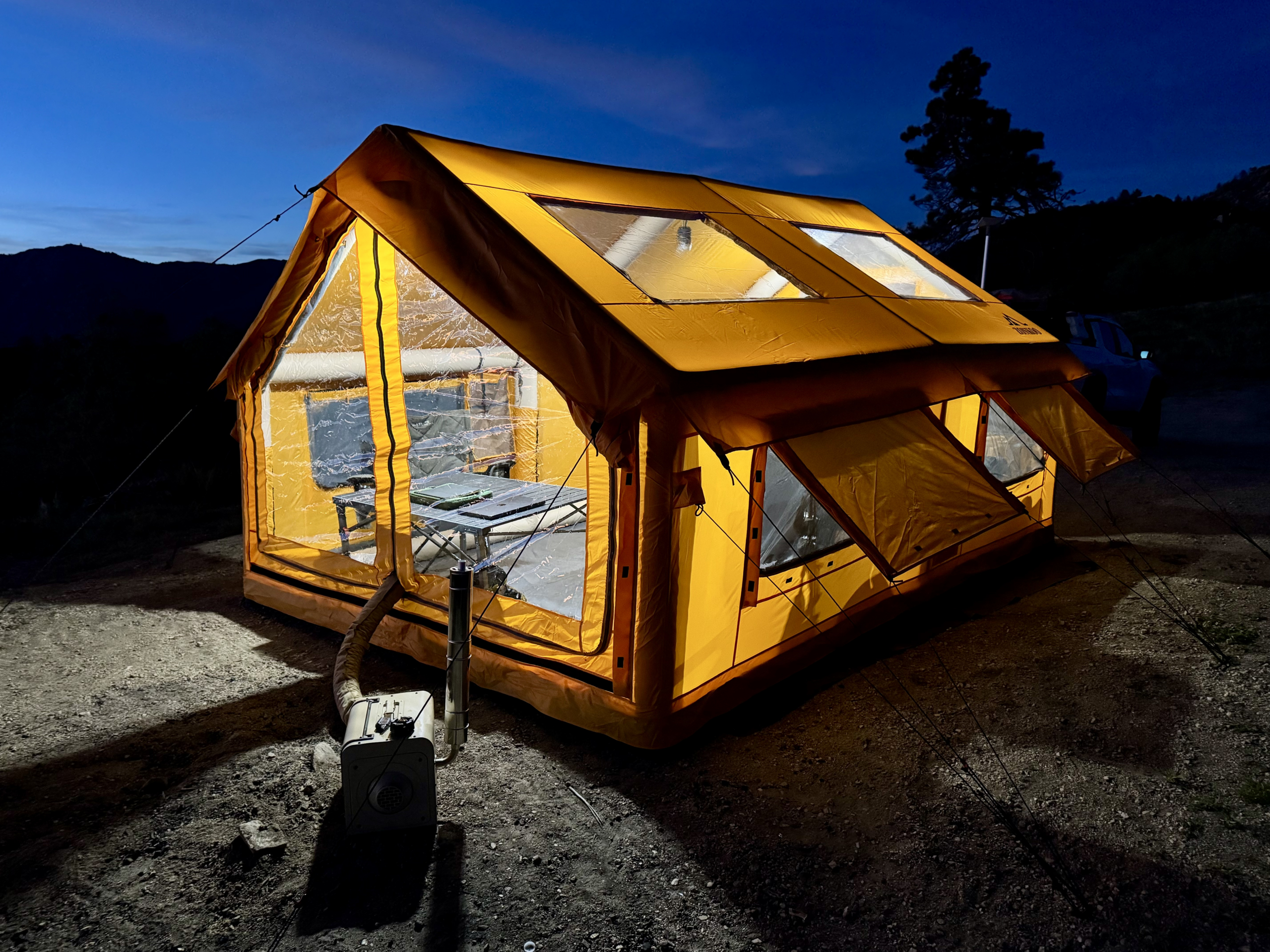
Can't Find the Answer? We're Here to Help.
Sometimes you just need to talk to someone.
Whether you’re trying to choose the right Houswin heater or need help with one you already own, our support team can help point you in the right direction.
If you’re contacting us about a heater you already own, have your product model and order information available when possible. It can help us get you the right answer faster.

Reliable Heat Without Relying on External Power.
Houswin was built for the places where electrical power may be limited, unreliable, or unavailable.
Less equipment to manage.
Less dependence on outside power.
More confidence when you need heat.
Self-Powered Heat. Anywhere.